How to Spot Bathroom Surface Mold Before It Spreads
Why a Regular Inspection Matters
Bathrooms are naturally damp spaces, and that constant moisture creates ideal conditions for mold. While a small patch of surface mold might seem like a minor eyesore, it can quickly lead to bigger problems if left unchecked. Regular inspections help you catch growth early, before it damages grout, caulk, or even the underlying wall structure. This isn't about being obsessive - it's about staying ahead of a problem that thrives in hidden corners.
The key to effective inspection is knowing exactly what to look for and where. Mold often starts in places you don't see every day, like behind the toilet or along the base of a shower. A systematic approach, checking each vulnerable area in turn, makes the task manageable. For residents in humid climates, this kind of routine is especially important, and resources like moldremovalboston.org offer context for what a thorough remediation process can involve. Below is a practical checklist to guide your next bathroom inspection. moldremovalboston.org
Check the Grout Lines
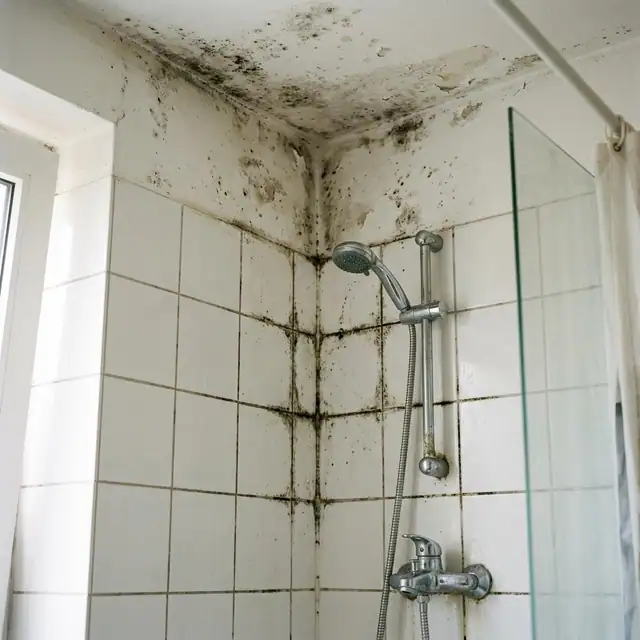
Grout is porous, which means it absorbs moisture readily. Over time, that trapped moisture can feed mold spores that land on the surface. Start by running your finger along the grout lines between tiles. If you feel any soft or crumbly spots, the grout has started to break down. Discoloration - especially black, green, or pinkish streaks - is a clear sign of mold. Even if the color looks uniform, press gently to see if the material feels solid. Damaged grout needs to be removed and replaced, not just cleaned, because the mold has likely penetrated below the surface.
Inspect the Caulk Seals
Caulk is meant to create a waterproof barrier around tubs, sinks, and shower bases. But caulk can shrink, crack, or peel away from surfaces over time. These gaps become perfect traps for moisture and debris. Look closely at every caulk joint in the bathroom. Pay special attention to corners and seams where two different materials meet, like where the tub meets the tile. If you see dark staining along the edge of the caulk, or if the caulk itself has turned black or brown, mold has taken hold. At that point, cleaning alone won't fix it. The old caulk must be cut out, the area dried thoroughly, and fresh caulk applied. This is one area where a professional touch can make a big difference, and Mold Removal Boston Pros can guide you on when to call for help.
Look Behind and Under Fixtures
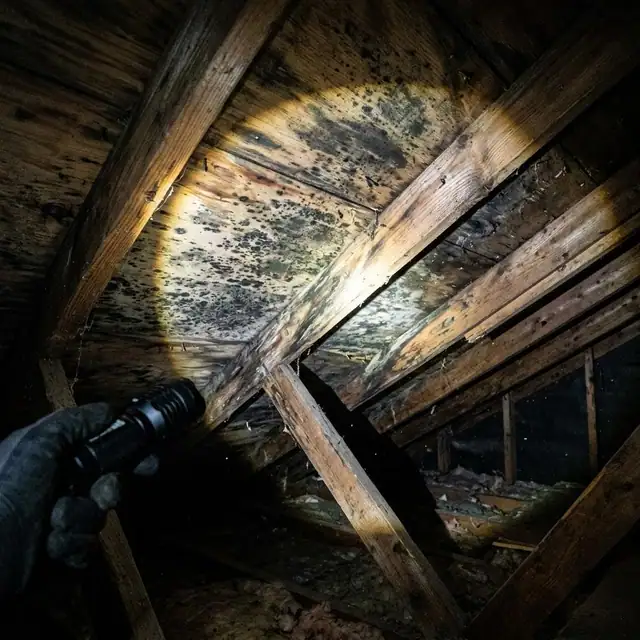
Mold often grows where you can't see it directly. The space behind a toilet tank, underneath a sink cabinet, or along the back edge of a vanity top are common hiding spots. Use a flashlight to check these areas. Look for water stains, peeling paint, or a musty odor. The smell itself is a strong indicator that mold is present somewhere, even if you can't spot it right away. Also check the base of the toilet where it meets the floor. A loose seal here can let water seep under the fixture, creating a hidden mold reservoir. If you notice any softness in the flooring around the toilet, that's a sign of prolonged moisture damage.
Examine the Ventilation System
Poor ventilation is a major contributor to bathroom mold. Even if you clean regularly, a bathroom that stays humid for hours after a shower will eventually develop mold. Check the exhaust fan if you have one. Turn it on and hold a piece of tissue near the grille. If the tissue doesn't get pulled toward the fan, the airflow is weak or the duct is blocked. Also look at the fan cover for dust buildup, which can reduce efficiency. If you don't have a fan, check the window for signs of condensation. Constant moisture on window frames or sills is a red flag. Improving airflow, whether through a better fan or simply cracking a window, is one of the most effective steps you can take to prevent surface mold from recurring.
Review the Shower Curtain and Liner
Shower curtains and liners are often overlooked, but they can harbor mold just as easily as tile grout. Look at the bottom edge of the curtain, especially where it folds or touches the wet tub surface. Also check the liner for any dark spots. If you see mold, you can try washing the curtain with bleach or replacing the liner entirely. A simple test is to run your hand along the curtain while it's dry. If you feel any slimy residue, that's biofilm - a sign that mold has established a colony. For a more durable solution, consider using a fabric curtain that can be laundered regularly, or swap to a liner that resists mildew.
Don't Forget the Ceiling
Ceiling mold is common in bathrooms with poor ventilation, especially around the shower area. Steam rises and condenses on the cool ceiling surface, providing moisture for spores. Look up and scan the entire ceiling, not just the area directly above the shower. Pay attention to corners where the ceiling meets the wall, as those spots stay damp longer. Small black specks can be cleaned with a mild bleach solution, but if the mold has spread over a large area or keeps returning, there may be a deeper moisture issue in the ceiling cavity. That's a situation where a professional assessment is wise. Mold Removal Boston Pros can help evaluate whether the problem is surface-level or structural.
Check for Hidden Leaks
Sometimes the mold you see is just the tip of the iceberg. A slow leak in a pipe behind a wall can create a constant source of moisture that feeds mold growth on the surface. Look for signs of water damage on walls, such as bubbling paint, peeling wallpaper, or soft drywall. Also check the floor around the base of the toilet, sink, and tub for any discoloration or warping. If you notice a persistent musty smell even after cleaning, a hidden leak is likely the cause. Addressing the leak is the only way to stop the mold from coming back.
When to Bring in the Pros
Not every mold problem requires a professional, but some situations clearly do. If you find mold covering a large area - say, more than a few square feet - or if it keeps returning despite your best cleaning efforts, it's time to call experts. The same goes if you suspect mold inside walls or under flooring. Professionals like Mold Removal Boston Pros have the tools and training to identify the full extent of the problem and address it safely. They can also help you figure out whether the underlying cause is a ventilation issue, a leak, or a combination of factors. A thorough inspection checklist like this one gives you a solid starting point, but knowing your limits is just as important.
Regular inspections, done every few months, can save you time and money in the long run. By catching surface mold early, you avoid the need for extensive repairs and keep your bathroom looking and smelling fresh. The goal is not to eliminate every single spore - that's impossible - but to maintain conditions that discourage mold from taking hold. Good ventilation, prompt repairs, and consistent cleaning are your best tools. And when you do spot trouble, acting quickly with the right approach makes all the difference.